February 27, 2026

Buying a home is exciting. It is also one of the largest financial decisions most families will ever make. After years of litigating construction defect cases, I can say with confidence that many disputes could have been avoided if buyers understood a few key issues before signing an agreement of sale.

Whether you are purchasing your first home or your fifth, there are five legal issues worth considering before you move forward. Over the coming weeks, we will examine each of these in greater detail. For now, here is where every buyer should begin.

If the home is newly constructed—or even just a few years old—the identity of the builder matters. It is not a minor detail.

Before signing an agreement of sale, confirm the builder’s full legal name and conduct basic research. Visit the builder’s website. Review prior projects. Consider how long the company has been in business. Call the office and assess whether they are responsive and still actively building.

You should also determine whether the builder has been involved in prior litigation. Most states provide public access to civil court dockets that allow name searches for filed cases. Not every lawsuit indicates wrongdoing, but a pattern of repeated claims is worth understanding before committing to a purchase.

From a legal standpoint, knowing who built your home can affect your rights. In certain circumstances, claims may depend on representations made by the builder and whether you relied on them. At a minimum, you should know whether the company responsible for constructing your home is likely to be available if a problem arises.

In competitive markets, buyers are often encouraged to waive inspections, sometimes by their realtor, in order to make an offer more attractive. But the decision is not simply “inspection or no inspection.” It requires careful thought.

An inspection can identify visible concerns before settlement. It can also place you on notice of potential issues. If a report identifies a condition and you proceed with the purchase, that knowledge may affect your ability to bring certain claims later.

If you choose to proceed with an inspection, select your own inspector. Do not rely solely on an inspector recommended by your realtor. You should independently verify credentials and experience and ensure the inspector works for you—not for the transaction.

Seller disclosures are often treated as routine paperwork. They should not be.

In many transactions, the disclosure contains the primary written representations about the property’s condition. Read it carefully. Pay attention to prior water intrusion, roof or foundation repairs, drainage issues, mold history and repeated repairs.

If you receive revised disclosures, compare them closely. Changes matter.

Buyers are frequently told that the agreement of sale is “standard.” It is not.

Addendums can often contains provisions that materially affect your rights. These may determine where disputes are resolved, whether arbitration is required, how long you have to bring claims or whether damages are limited.

Before signing, consider what would happen if the builder fails to correct a defect. A brief consultation with a construction attorney can prevent unintended limitations on your rights.

Many buyers assume that a builder’s warranty provides additional protection. That assumption deserves scrutiny.

Some warranties shorten the time to bring claims, narrowly define covered defects or require dispute resolution procedures that favor the builder. In certain situations, a warranty may reduce your legal options rather than expand them.

Most homebuyers do not anticipate construction disputes. But understanding risk before signing is far easier—and far less costly—than resolving problems after closing.

Before purchasing a home, research the builder, make an informed decision about inspections, read every disclosure carefully, review the agreement and its addenda thoroughly and understand the scope of any builder’s warranty.

March 24, 2022

Homeowners may be facing hidden water damage in the interior walls of their homes. Not infrequently, water damage is caused by builder or contractor negligence or poor craftsmanship, and construction defects that result in deterioration of houses that could cost a large amount to correct.

If you discover water damage in your home, Horn Williamson’s experienced construction attorneys recommend you immediately take four important steps to ensure that you can hold your builder or contractor accountable. That means you may have to go to court, or to arbitration or mediation, to get the justice you deserve.

Step One
Immediately take as many photos as possible. No amount of video or photographic evidence is too much. In court or in arbitration or mediation, photos will be seen as important evidence.

Step Two
Do NOT attempt to fix or repair the problem because you could unintentionally ruin the evidence. Under Pennsylvania law, sometimes photographs and videos are not enough, so you don’t want to risk impairing your case. You need expert advice because your contractor or builder will very likely want to inspect the damage and may have legal representation. So, you should contact a construction attorney for a free consultation as soon as possible.

Step Three
Next, you want to put the builder or contractor on notice. To be safe, you should have an attorney assist you with notification. You may not want to sue the builder or start a legal action; however, a simple letter of notification can preserve your rights.

Step Four
Find a professional to fix the problem, but—and this is important—get more than one estimate! You don’t want to rely on the first estimate; it’s essential to obtain many different estimates to be on the safe side. Do not rely on a contractor to tell you the scope of work. You are better served to get an independent architect, engineer or another builder involved to do a thorough inspection for there may be things that only a trained eye will see and that may be extremely important in the final resolution of the problem.

Finally, for your peace of mind during what is a trying time, call a construction lawyer for a free, no-obligation consultation. Horn Williamson has a team of experienced construction attorneys who have helped many homeowners by explaining their options that aid their decision-making. If you have water damage in your home call Horn Williamson today for a consultation.

May 27, 2021

What Is Toxic Mold and How Does It Get into Your Home?

Toxic mold (also known as black mold) can destroy your home, health, and overall well-being. It can sneak into your home without any visible warnings. However, there are ways to tell that you may have toxic mold in your home.
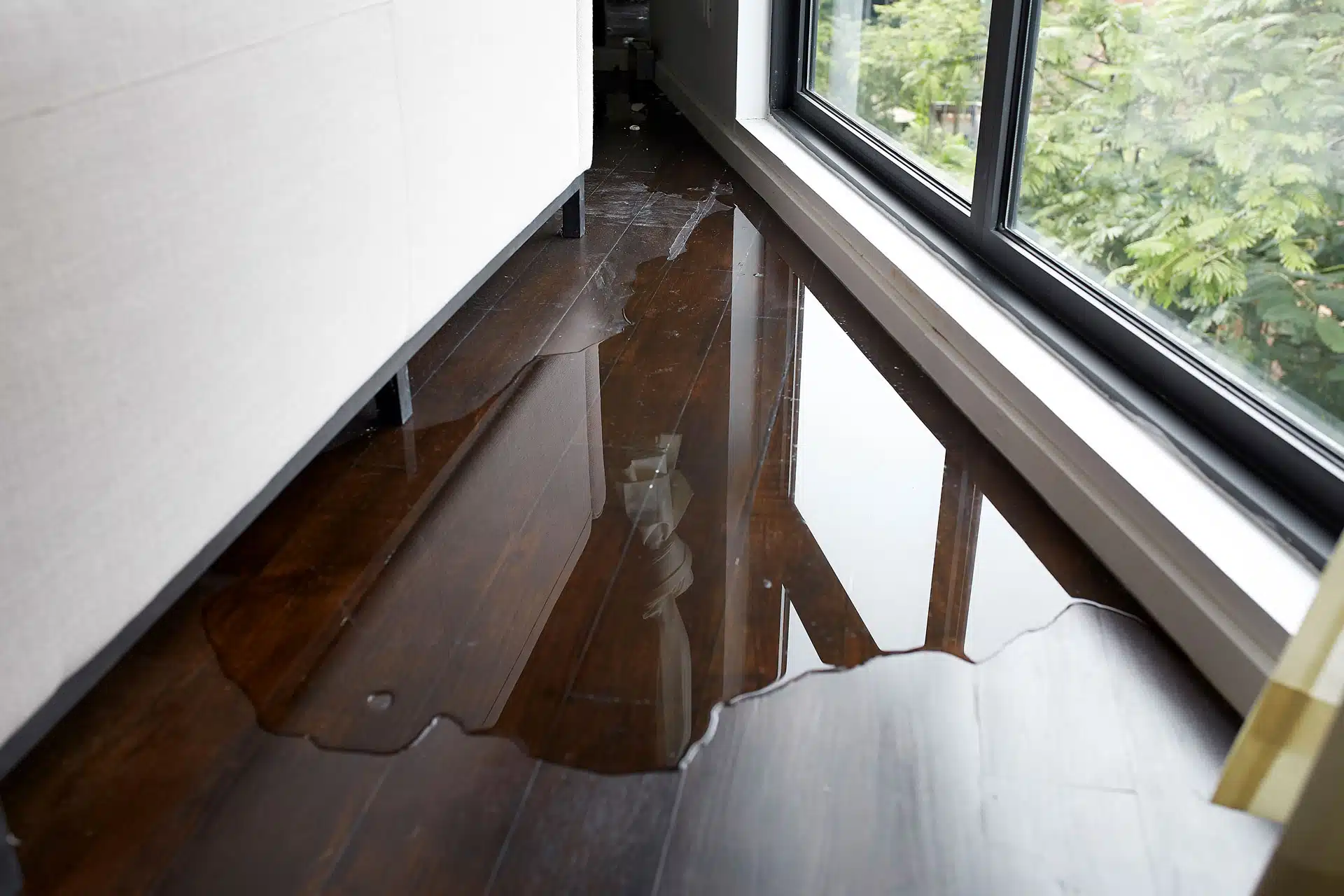
As you begin to notice the signs, you should begin to develop a plan to rid your home of this deadly substance. The cost to remove toxic mold depends on how much of the substance is in your home and how hidden in the walls and other areas it may be.

Learn more about black mold and how it gets into and out of your home.

What Is Toxic Mold?

Black mold (Stachybotrys chartarum) is a type of common mold found in homes. Toxic mold is not actually toxic. Instead, it released mycotoxins which cause severe allergic reactions for many people.

Black mold is not truly toxic unless you have an allergic reaction to the mycotoxins it produces. However, many people do have allergic reactions to this strand of mold, making it difficult to remain healthy in a home filled with it.

How Does Black Mold Affect People?

Many people have negative reactions to black mold. Their allergic reactions may be deadly for people with other medical conditions.

Some of the most common reactions to toxic mold include:

  • Sore throat
  • Runny nose
  • Watery eyes
  • Body aches
  • Wheezing
  • Dry cough
  • Skin rashes
  • Mood swings
  • Memory loss
  • Nosebleeds

How Does Black Mold Enter Your Home?

Mold of all types enters a home through mold spores. Mold spores can attach to a person entering a home or enter through windows and doorways (or any openings to your home). However, the mold spores cannot grow without moisture.

Mold spores are generally harmless unless they grow. Wherever water congregates in the home, mold spores can grow, creating a problem with toxic mold.

When dealing with construction defects, water damage to a home can lead to black mold. The problem with black mold in construction is the mold can hide behind walls throughout your entire home. There are tests you can do to detect black mold behind the walls of your home. If you see any indication of black mold, including chronic related health issues, you should call an inspector to test for black mold.

How Do You Get Rid of Black Mold?

You can easily remove small amounts of black mold with bleach and water. Simply wipe down the areas, and the black mold will come up. The area will also be clean and disinfected from any toxins.

However, black mold behind your walls and fixtures takes more than a simple wipe down. You need to take down areas of your wall to get behind it and clean the black mold and all of its related toxins. The process can be costly. You must hire contractors to reconstruct your home in any areas black mold is detected.

If you have black mold behind your walls, you may have a deeper issue known as a construction defect. There may be cracks in the structure of your home that can allow water to get inside. These cracks can also allow water to get between the walls.

If your home has black mold caused by a construction defect, you need an attorney to help you get the compensation to repair your home. The construction defect team at Horn Williamson can help. Call (215) 987-3800 to speak with a lawyer today!

January 18, 2022

Most people are unaware that their homes have construction defects caused by builders who have cut corners and/or violated building codes until well after 12 years of ownership. Only about 10 percent find problems within six years of construction. In fact, most people are unaware that their homes had construction defects that cause problems like unseen water damage that leads to mold (which can cause serious health issues) until they put their homes up for sale. Then, a moisture test or home inspection may reveal serious building defects that can cost thousands of dollars to repair.

Currently builders, contractors and architects must build according to code and are held responsible and accountable for any and all building defects for 12 years based on a law with long historical precedent.

But now, five members of the Pennsylvania Legislature are attempting to put all of our state’s homeowners in considerable financial jeopardy. In August, Senators Laughlin, DiSanto, Comitta, Mensch and Stefano introduced Senate Bill 833 that would reduce the time homeowners have to hold their builders accountable for costly repairs from defects from 12 years to six years.

The bill also changes the definition of the term “lawfully” now in the statute of repose to simply mean “licensed”. Current practice recognizes “lawfully” as meaning licensed andfollowing code. If builders are merely licensed it would, in effect, give them a free pass on how to construct homes. That simple change of a word would remove Pennsylvania homeowners’ financial safety net.

We firmly believe that builders and contractors must build according to code and be held accountable for any and all building defects in homes for the 12 years that is the prevailing law. If that law is reduced to just six years, builders who have done slipshod work, cut corners and ignored established code will essentially be freed of any financial responsibility and homeowners will suffer monetarily on top of the considerable mental anguish caused by unanticipated building defects.

You don’t have to sit by and let Pennsylvania homeowners, perhaps like you, be unnecessarily thrust into considerable financial vulnerability. Acting today will help stop this proposal while it is being considered in Legislative Committee. Here’s what you can do:

  • If you want to help protect Pennsylvania homeowners, join others in stating your opposition to this ill-advised change in the law by calling or writing* to your representative. To obtain contact information on the bill sponsors or the Senator or Representative of your district, click on this link.

If you are a homeowner suffering through your own construction defects problems, you can get assistance by calling the experienced Construction Defects Claims attorneys today at Horn Williamson at 215-987-3800 for your complimentary consultation.

*For your convenience, click here for a sample letter to legislators, but we urge you to put these thoughts in your own words, which will be more effective.